
Rithm’s Summer Reading
Voices from our Changemaker Network

As we enter this final stretch of summer, we're bringing you something special.
From the start, we knew AI's pull on human connection wouldn't stay in one place. It would show up in classrooms, on our phones, in doctors' offices, and at our dinner tables. If we were going to wrap our arms around this, we'd need leaders from across generations and across disciplines.
So we built the Changemaker Network: 165 people, and counting, who've committed to practicing real connection with each other, sharpening how we all understand the issue, designing solutions, and carrying the conversation to wider and wider audiences.
Below is a taste of that network: thirteen of its members who keep putting out sharp, surprising work about what happens when AI meets our relationships. Each is a quick summer read, and juicy enough you'll be talking about it with friends and colleagues.
These thirteen, alongside the rest of the Changemaker Network, inspire and challenge us every day. We know they'll do the same for you.
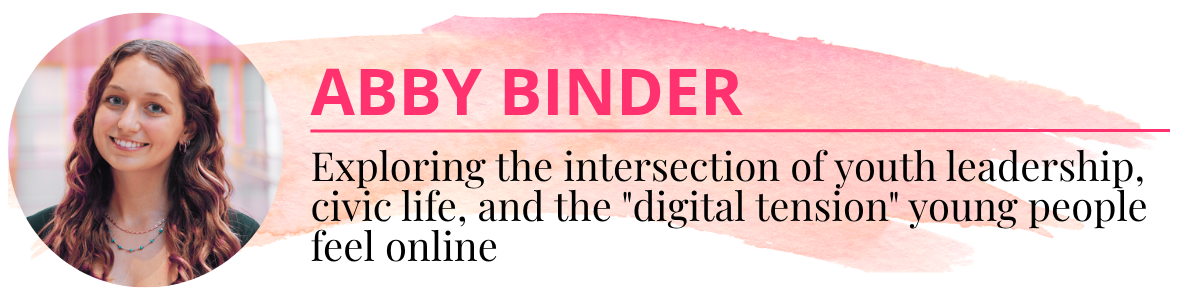
Start here: Let’s Talk About AI Shame
What it’s about: How AI is reshaping norms, culture, and behavior in young people’s lives.
Follow me if you: want a place to pause and think about how technology is reshaping civic life, community, and the way young people show up online.
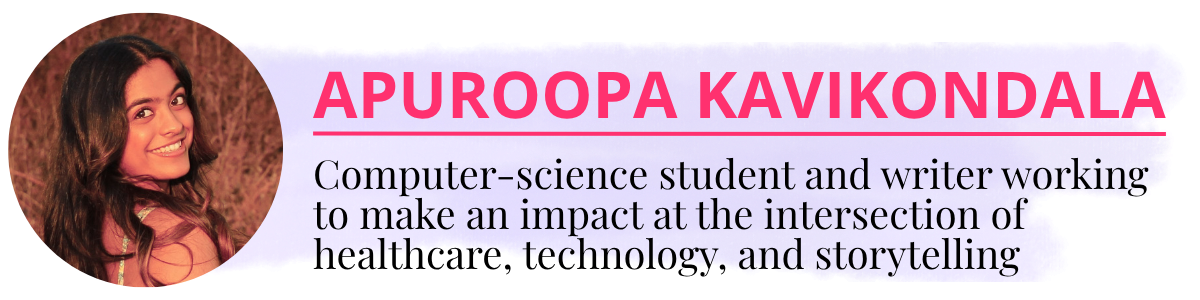
Start here: On feeling and feelings
What it’s about: Reclaiming feeling as a strength in a world that treats it as weakness.
Follow me if you: want a glimpse into the life and experiences of a 20-year-old navigating college, corporate, and people.
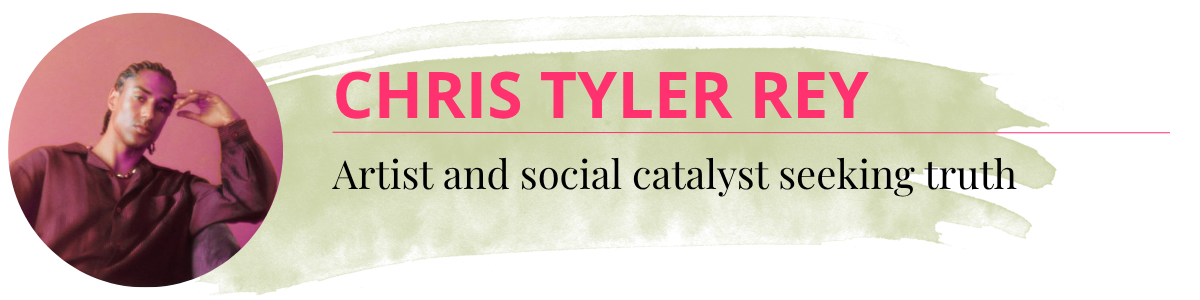
Start here: the beautiful, frightening truth: i need you.
What it’s about: An acknowledgement of our inescapable interdependence; a reminder to surrender.
Follow me if you: are a student of life and seeker of the sacred amidst everyday living.
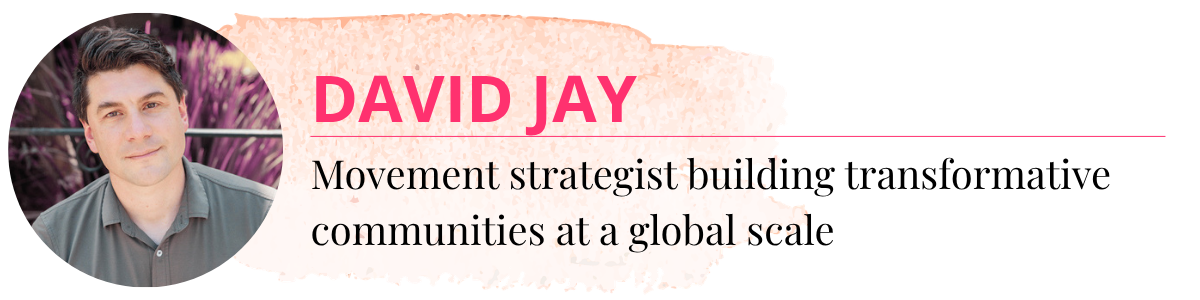
Start here: Let’s Create a Living Wage for People Building Small-Scale Community
What it’s about: Why supporting people who build community can address loneliness, strengthen a democracy in crisis, and promote economic equality during the AI transition.
Follow me if you: are building community and want to understand how to measure its impact.
Start here: An AI Bill of Rights, Written by Us
What it’s about: A draft of nine rights users deserve from AI companies — covering data, consent, and attention — built to be signed, challenged, and rewritten collectively rather than handed down.
Follow me if you: want to help decide what AI owes the people who use it, not just what it can do to them.
Start here: An Invitation to Reach
What it’s about: A teacher once told me I had a broken reach function — that I didn’t trust anything would meet me if I reached. This is about what repaired it, and why AI can’t, because relationality and healing is in embodied risk.
Follow me if you: want essays on the capacities that make for more full lives alongside AI— reaching, receiving, doubting, wise hope — written from boats, trains, messy relationships, and zendos.
Start here: They want a Vibe Holder not a Manager
What it’s about: What young people designed for third spaces when given the chance to build them.
Follow me if you: care about civic identity, youth development, and the role we all play in creating thriving community.
Start here: On Lonely Promises
What it’s about: The risk that AI’s efficacy hides relational costs.
Follow me if you: want research-grounded, warm takes on how our relationship with AI is changing our relationships with one another.
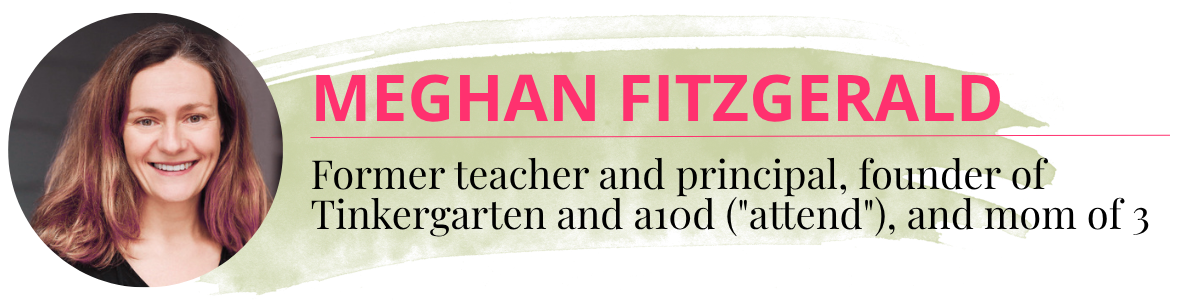
Start here: 10 minutes, one video, and the best AI conversation with my kids yet
What it’s about: How I stopped asking my kids “what do you think about AI?” and found a quick video that actually got them talking.
Follow me if you: want research-backed, joyful ways to help your kids own their attention, connect with fellow humans, and flourish in an AI-saturated world.
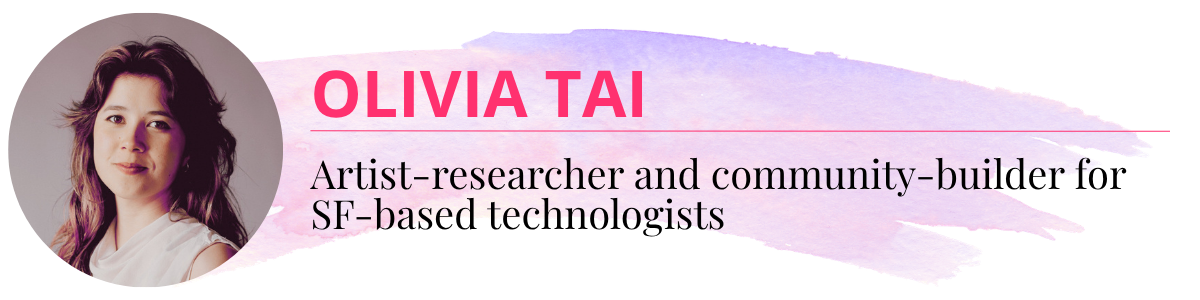
Start here: The Intimacy Economy
What it’s about: Field notes on cyborg psychology and participatory art about human–AI relationships.
Follow me if you: want experimental art projects like What We Tell AI — secrets collected from strangers about their relationship with AI.
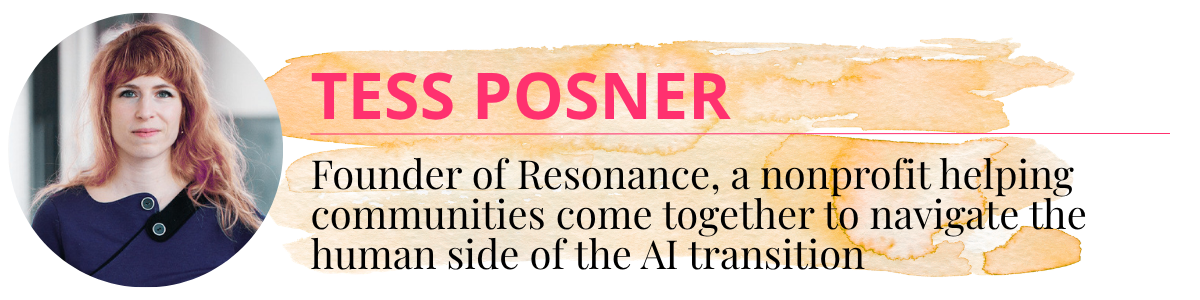
Start here: Living the Questions in the Age of AI
What it’s about: We’re being nudged to offload more and more of our thinking to AI, and new research warns it could erode how we reason and judge. This piece explores what it means to “live the questions” instead of rushing to answers — and why thinking together beats thinking alone.
Follow me if you: want to track the human side of the AI transition.
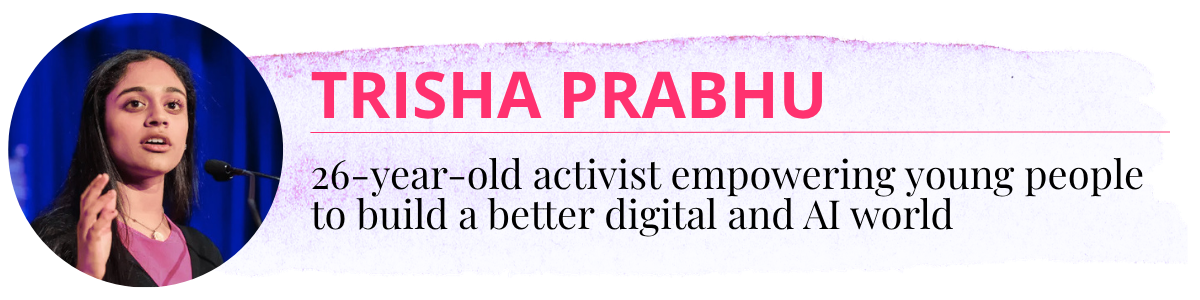
Start here: ReThink the Internet: How to Make the Digital World a Lot Less Sucky
What it’s about: A by-youth, for-youth book that walks middle-grade (6th–8th grade) readers through the how’s, what’s, and why’s of responsible digital citizenship — and how to lead with kindness online.
Follow me if you: want to learn how you can empower youth to create the digital future they deserve. (Find Trisha and her org on LinkedIn and Substack.)
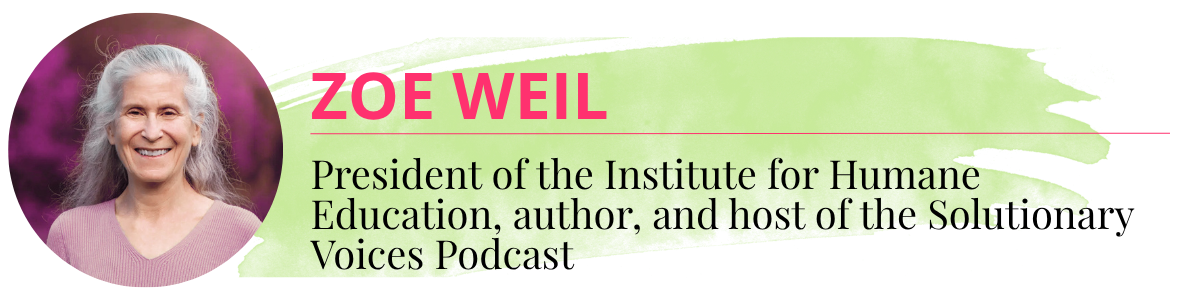
Start here: How to Resist Algorithmic Drift — YouTube · Spotify · Apple Podcasts
What it’s about: Rahim Hirji — author of Super Skills: The Seven Human Skills for the Age of AI — joins me to explore what it means to stay fully human as intelligent machines become embedded in daily life, work, education, and decision-making.
Follow me if you: want to hear more episodes and learn how to become a solutionary yourself.
How we use AI. As a team thinking about the human implications of AI, we like to be transparent about how we use the technology ourselves. For our Substack, we mainly use it to research and refine the key arguments our team has been thinking about and debating. Then we use it to copyedit and pressure-test before we hit publish. The ideas, the arguments, and the voice are ours.